If you have never ordered branded gifts before, the vocabulary can feel like a barrier. Engraving, sublimation, print areas, proofs, vector files: suppliers use these words every day, and first-time buyers are often too polite to ask. This beginner Q&A explains the basics of putting a logo on a Christmas gift, in plain language.
The basics
What does “decoration” mean?
In branded products, decoration simply means the method used to put your logo or message onto an item. It has nothing to do with tinsel. Each method suits certain materials, gives a particular look and has its own practical limits, such as the number of colours or the size of the area that can be decorated.
Which logo file should I send?
A vector file is the safest choice. Vector formats store your logo as shapes rather than pixels, so it can be scaled up or down without becoming blurry. Common examples are files ending in .ai, .eps, .svg or a vector PDF. If you only have a small image file from your website, ask whoever designed your logo for the original. It saves time and avoids a fuzzy result.
What is a proof?
A proof is a visual mock-up showing exactly how your logo will look on the item: its position, size and colour. You check it and approve it before production starts. Treat it as the most important step in the whole order, because once you approve it, that is what will be made.
Common decoration methods
Suppliers offer different methods for different products. These are the ones you are most likely to meet on festive gifts.
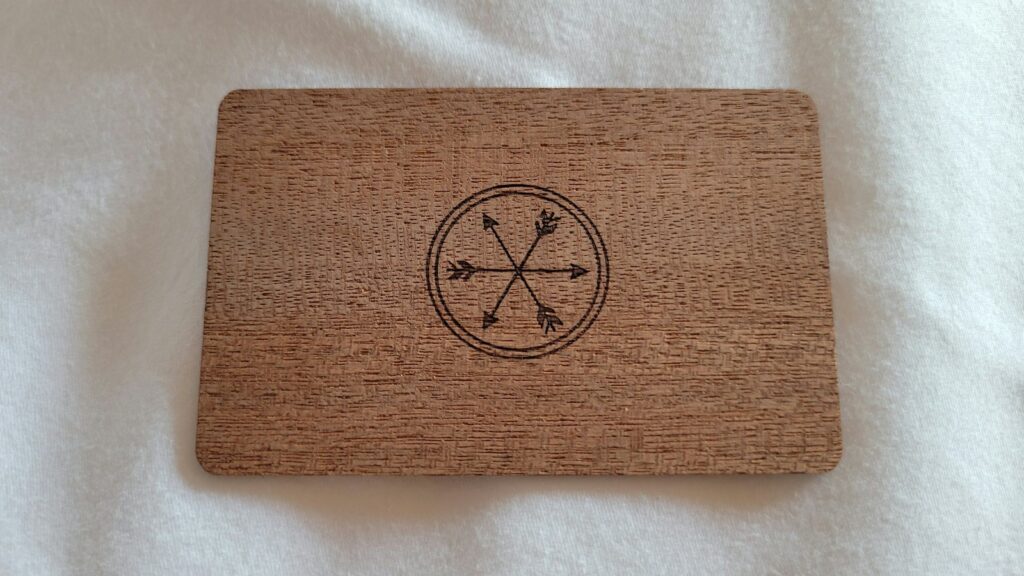
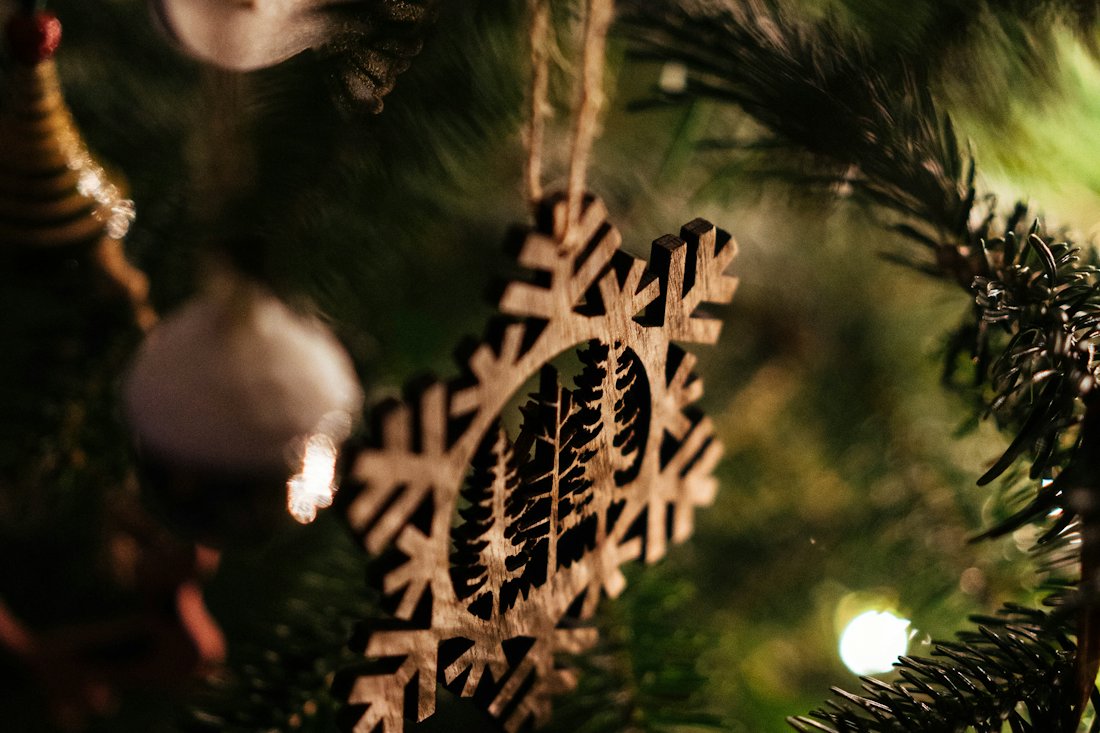
- Laser engraving: a laser marks the surface, revealing the material underneath. It suits metal, coated metal and wood, gives a subtle single-tone finish and does not wear off in the way a print can.
- Sublimation: the design is transferred into a specially coated surface using heat. It allows full-colour designs and is often used on baubles, mugs and some textiles.
- Pad or screen printing: ink is applied through a pad or a mesh screen, usually in one or a few solid colours. It is a common choice for pens, pencils and smaller items.
- Digital or full-colour print: useful for detailed or multi-coloured logos on flat or gently curved surfaces.
- Embroidery or transfers: often used for textiles such as hats, socks and stockings.
Getting the look right
How big should my logo be?
Usually smaller than you think. A modest logo tends to look more refined and makes the gift easier to use in everyday life. Each item has a maximum print area, but you do not need to fill it. On a mug or bottle, a neat logo on one side often looks better than a large one wrapped around the whole item.
Can I match my brand colours exactly?
It depends on the method and the material. Engraving gives a single tone determined by the material. Printing can get close to your colours, but results vary on different surfaces, especially coloured ones. If an exact match matters, share your colour references and ask what is realistic before you approve the proof.
Should I add a message as well as the logo?
A short line such as “Season’s greetings” or “Thank you for this year” can work, but keep it brief and timeless if you want the gift to be used beyond December. Many businesses keep the item itself plain apart from the logo and put the personal message in the card instead.
Your proof checklist
- Is the logo the right way up and the right way round?
- Is it centred, or placed exactly where you asked?
- Are the colours, spelling and any text correct?
- Does the size look balanced on the item?
Practical questions
Will decoration add time to my order?
Yes. Customised items need artwork preparation, proof approval and production before they can be sent. Ask the supplier for current timings when you enquire and plan your order with a margin of time.
Are there extra costs for decoration?
Often, yes. Depending on the supplier and method, there may be set-up costs, costs per colour or costs per position. Ask for a quote that includes everything, so you can compare options fairly.
A neat, well-placed logo lets the gift do the talking.
Seeing it in practice
Product pages usually show which decoration options each item offers. The Christmas range at Brandit, an Irish online store for branded products, includes items such as laser-engravable mugs and sublimation-print baubles, which makes it a useful place to see how different methods suit different gifts. Prices are shown without VAT and quotes are prepared on enquiry.
Takeaway. Send a vector logo, choose a decoration method that suits the material, keep the logo modest and check the proof carefully. Ask about timings and all-in costs early, and your first branded order will feel far less mysterious.